
The backend every health app needs, already built.
Standard medical data (FHIR R4) over one GraphQL API, patient and practitioner login, per-role access and a full audit trail, hosted in Switzerland. Plus care pathways: clinical workflows you write once, have signed off, and run anywhere.
For digital-health startups, hospital IT, clinical research teams and integrators.
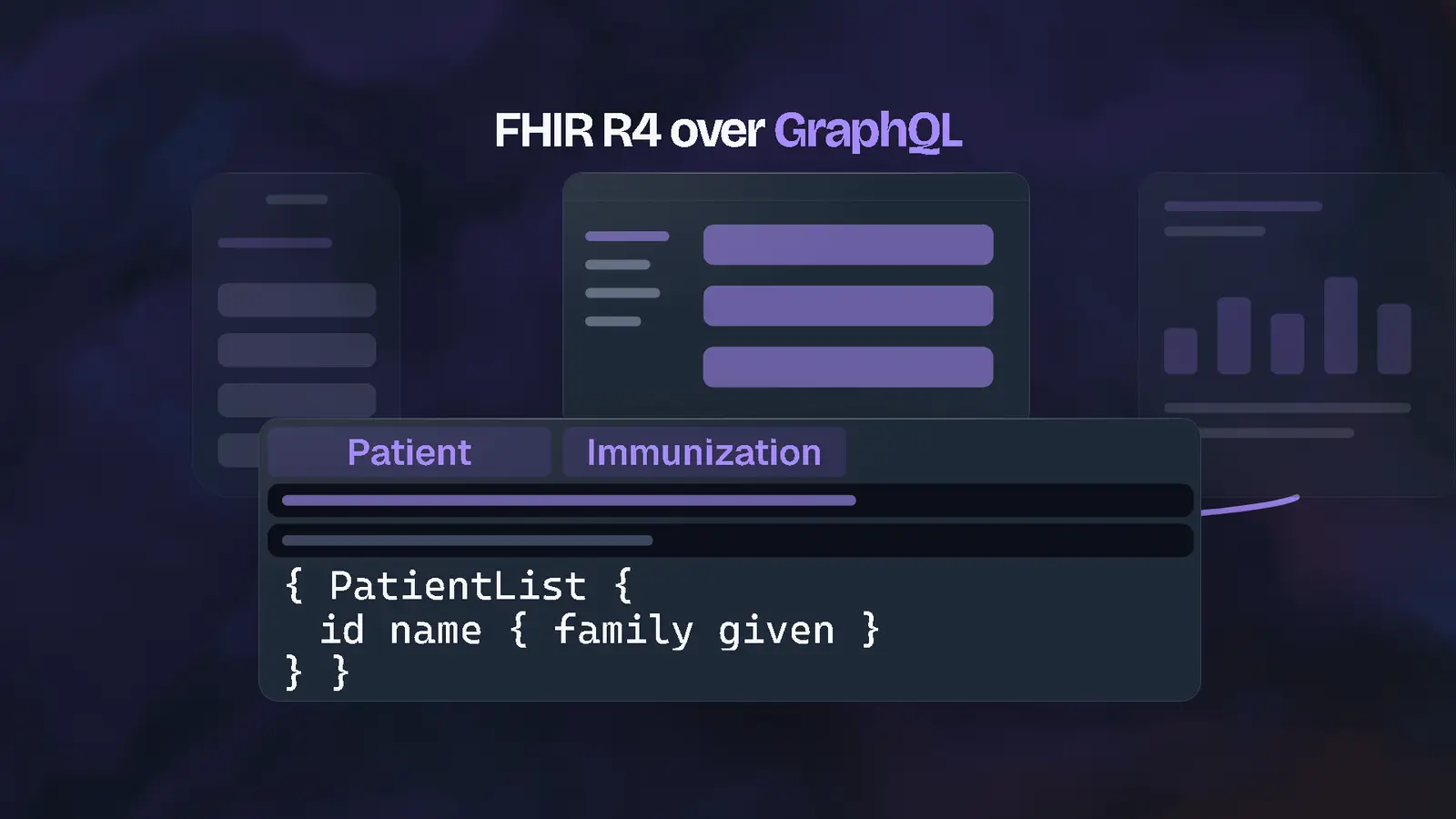
Every health product rebuilds the same backend.
Before its first feature, a health app needs a standard data model, logins for patients and clinicians, permissions per role, and an audit trail an auditor will accept. Teams spend months on it, rebuild it for the next site, and leave the clinical logic in code no clinician can sign off.
How it works
From the first API call to a signed-off workflow running at every site.
-
01
Connect
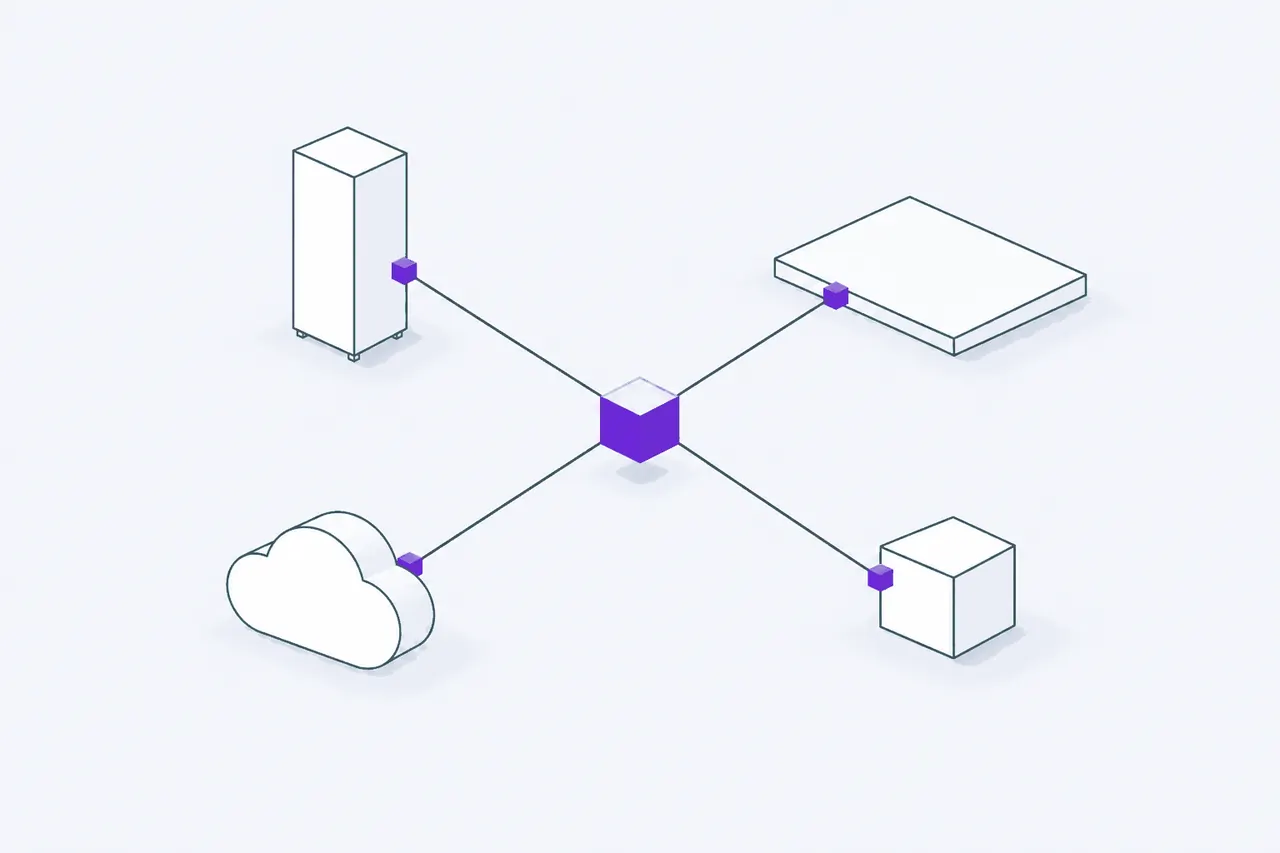
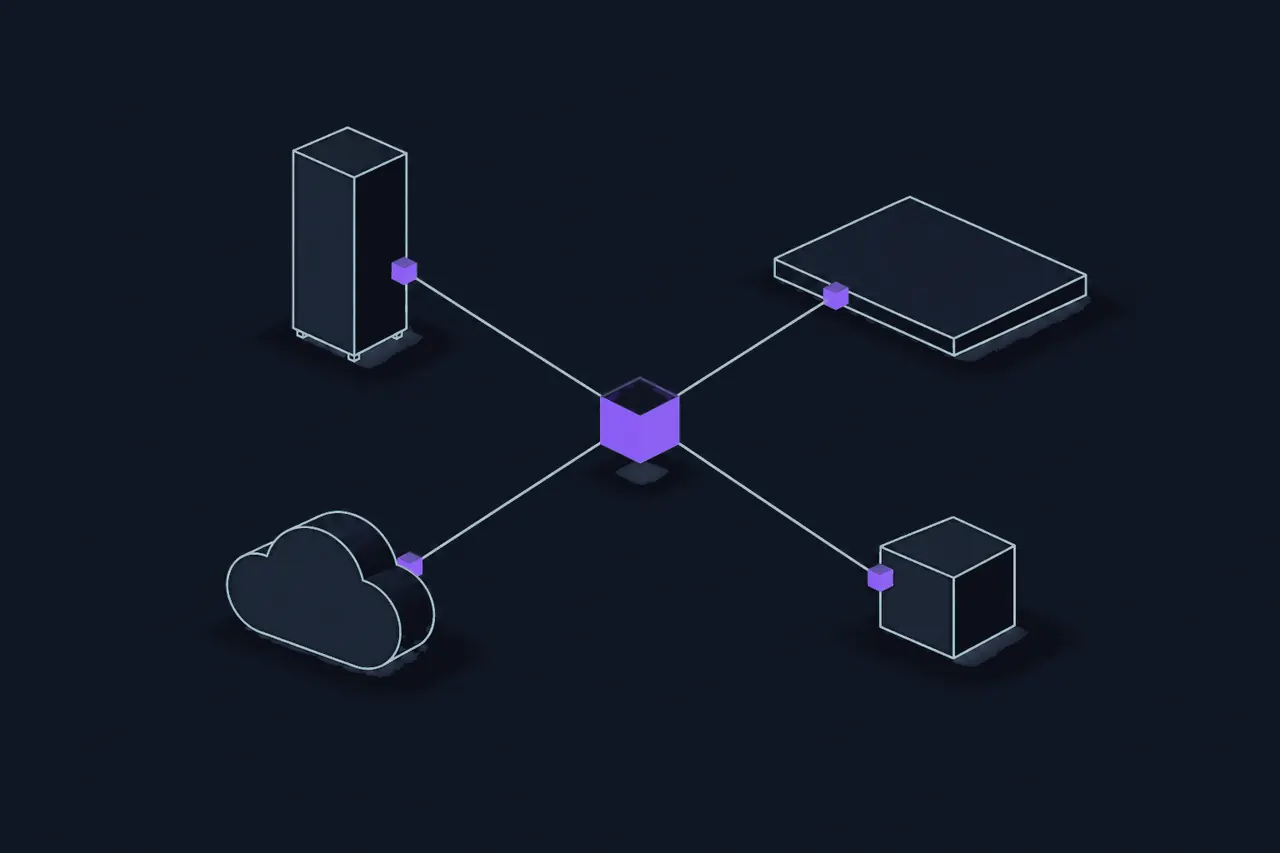
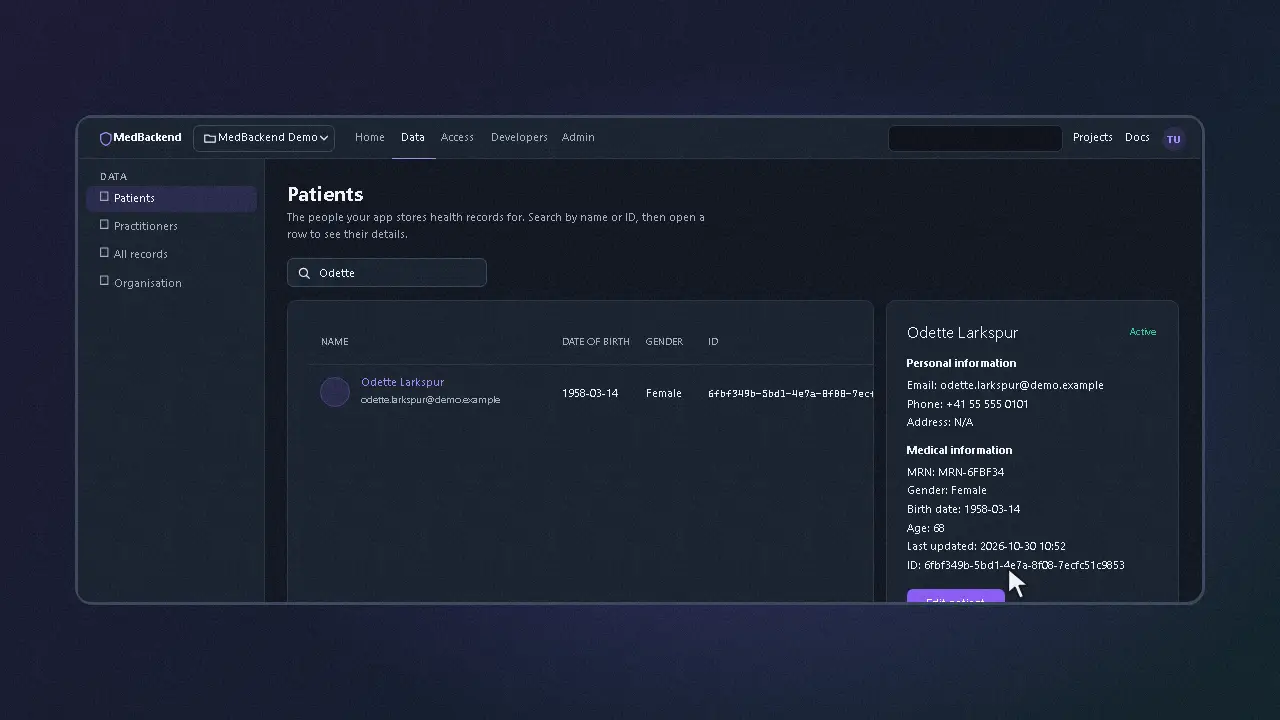
Point your app at one API: FHIR R4 over GraphQL, called with plain HTTP from any language.
-
02
Control
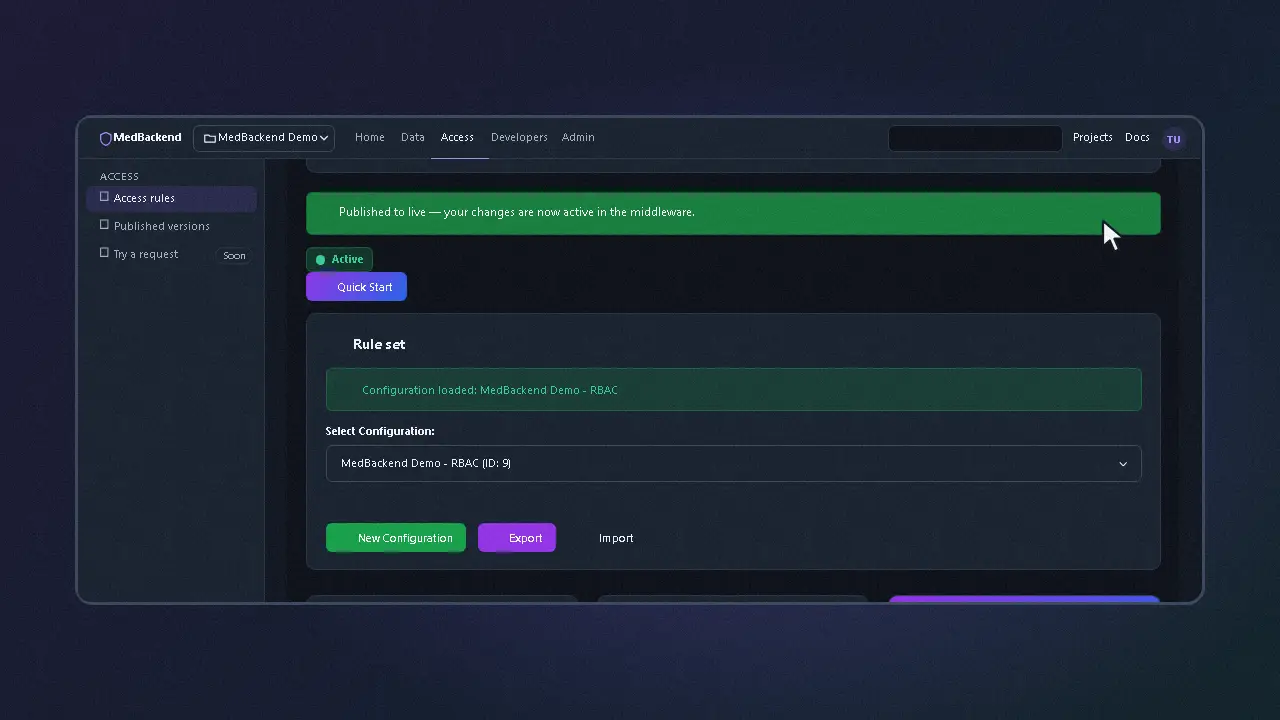
Decide who sees what: patient and practitioner login, roles per project, denied unless granted.
-
03
Encode
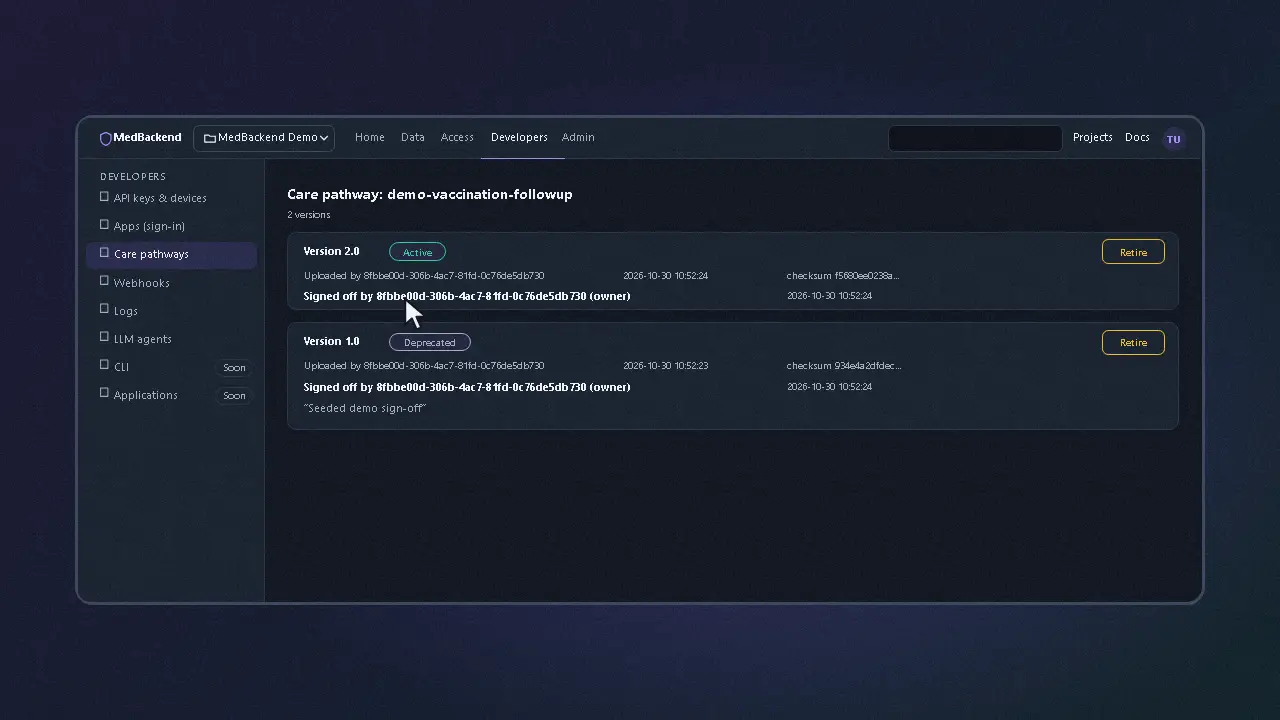
Write the clinical workflow once, as versioned steps.
-
04
Sign off and run
A named clinician signs it, it goes live, and it runs unchanged at every site. Every read, write and sign-off lands in the audit trail.
See it in action
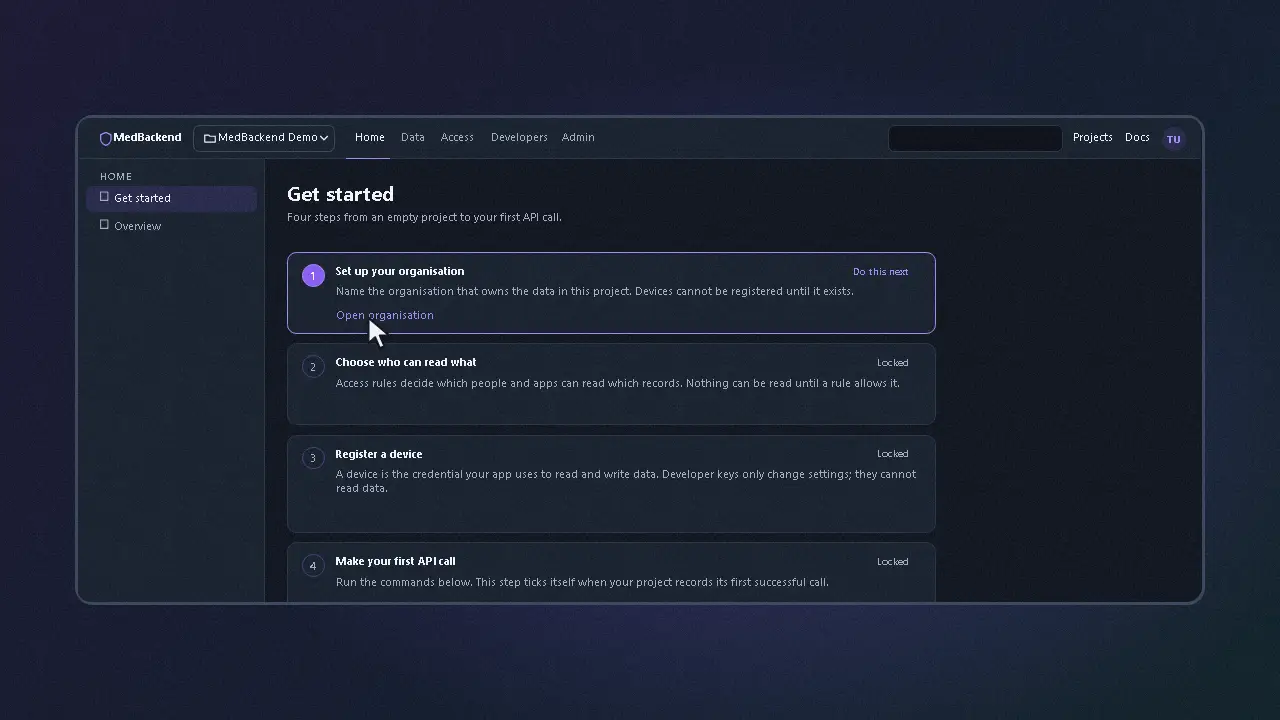
Each clip replays the dashboard's own screens on a demo project with synthetic data, not a customer system.
Who it is for
Clinical research teams
Protocols as versioned, signed-off pathways with a full audit trail.
Fits into what you already run
The connectors most healthcare products need on day one, already wired into the platform and covered by the access control and audit trail that govern everything else.
OAuth 2.0 and OpenID Connect
Patient and practitioner sign-in per project, with sign in with Google and PKCE for apps that cannot keep a secret.
GraphQL API
A complete schema over all FHIR R4 resources, generated and never hand-maintained.
Webhooks
Signed calls to your own service before and after FHIR operations, per access rule.
File uploads
Upload through the API, referenced from Media or DocumentReference resources, and read back through links that expire.
What we can show an auditor
Four properties of how the platform runs, each checkable against the system itself.
Denied unless granted
Missing access configuration denies everything. Roles and operations must be granted explicitly, and unknown ones are rejected.
Every access logged
A FHIR AuditEvent is written for every operation, so who read or changed what is a query.
Each customer isolated
Each project is its own tenant, with its own FHIR endpoint, configuration and audit trail. Isolation is enforced at the API layer.
Data stays in Switzerland
On the managed plan, compute runs on Infomaniak and the data services run in Azure Switzerland North. Backups stay in Switzerland too.
Deploy your way
Research on de‑identified data
Soon you will be able to study the patients in your project without seeing who they are. Research and analytics will run on de-identified data, meaning records with names and identifiers removed: counts and breakdowns, saved groups of patients, and exports that someone approves first. We have no date to give yet. If this matters for your work, tell us.
See it on your own use case.
Bring a real workflow. We will show how it would run on MedBackend, or you can start in the docs.